
Restores insulation effectiveness
Dust and debris compress batts and create air gaps that reduce thermal resistance. Cleaning the roof space lets new or existing insulation perform to its rated R-value, cutting winter heat loss through the ceiling.
Diamond Creek Roof Space Cleaning
Built-up dust in your roof space reduces insulation performance and can affect air quality. Expert Insulation Melbourne removes loose dust and debris from ceiling cavities in Diamond Creek homes before installing or topping up batts, so your new insulation works at its rated R-value from day one.
Share your details and Expert Insulation Melbourne will contact you about Ceiling Dust Removal in Diamond Creek.
Ceiling dust removal is the industrial vacuum extraction of accumulated dust, loose material and debris from the roof space. In Diamond Creek’s older weatherboard and brick veneer homes, decades of dust can settle on ceiling joists and compress existing batts, cutting their thermal resistance. We clear the space thoroughly so new glasswool, polyester or rockwool batts sit flat and achieve their full R-value.
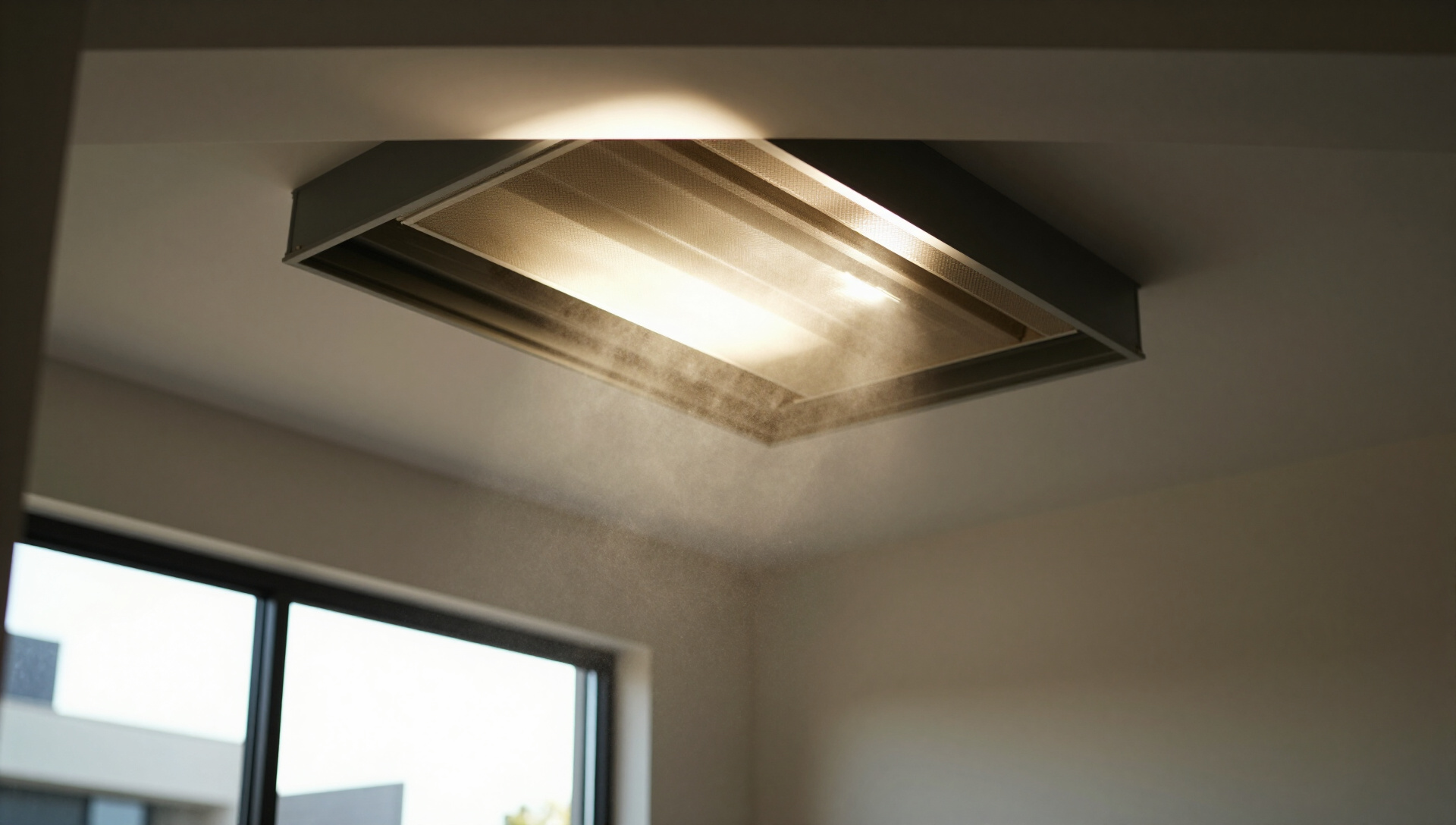
Diamond Creek’s mix of older homes and tree-lined streets means roof spaces often collect fine dust, leaf litter and rodent debris over time. Removing this buildup before installing or upgrading insulation delivers measurable benefits for comfort and efficiency.
Dust and debris compress batts and create air gaps that reduce thermal resistance. Cleaning the roof space lets new or existing insulation perform to its rated R-value, cutting winter heat loss through the ceiling.
Fine dust from the roof space can migrate into living areas through gaps and downlights. Removing it reduces airborne particles and allergens circulating in your home.
Built-up organic material holds moisture, which can lead to mould growth on timber joists and the underside of roofing. A clean roof space stays drier and protects your home’s structure.
Installing batts over dust and debris causes them to compress faster, shortening their useful life. A clean roof space means your new ceiling insulation retains its thickness and R-value for longer.
A dust-free roof space is safer and more pleasant to work in when you need to service cables, pipes or downlights. It also makes it simpler to inspect or top up insulation later.
Accumulated dust and dry leaf litter near electrical cables or downlights can pose a fire hazard. Removing this material lowers the risk in your roof space.
We use high-powered vacuum equipment designed for roof spaces to extract dust without spreading it through your home. The process is quick, typically completed in a few hours depending on the size of your roof space and the amount of buildup.
We check the roof space for access points, existing insulation condition and any signs of asbestos. If asbestos is suspected, work stops until a qualified assessor inspects it. We then seal gaps around the access hatch to prevent dust escaping into the house.
Using industrial vacuums with long hoses and specialist nozzles, we systematically remove dust, loose material and debris from between ceiling joists, around cables and near downlights. The equipment captures fine particles that standard vacuums would recirculate.
If old batts are compressed, wet or rodent-damaged, we remove them as part of the process. This ensures the space is fully clear for new insulation to be installed flat and without gaps.
We inspect the roof space to confirm all dust and debris are removed, then clean the access area and dispose of the collected material off-site. Your home is left tidy, with the roof space ready for new insulation.
Diamond Creek’s older weatherboard and brick veneer homes often have roof spaces that have collected dust for decades. The suburb’s tree cover and seasonal winds mean leaf litter and fine dust build up faster than in more exposed areas. Removing this buildup is a practical first step before upgrading ceiling insulation, especially in homes with thin or compressed batts that no longer provide adequate thermal resistance.
Industrial vacuum extraction of dust and debris from ceiling cavities in Diamond Creek, preparing the space for new insulation.
Homeowners in Diamond Creek often ask how dust removal fits with insulation upgrades and what to expect during the process. Here are the key details.
Ceiling dust removal in Diamond Creek is the first step to ensuring new insulation performs at its rated R-value. Over time, dust and debris settle on ceiling joists and compress existing batts, reducing their thermal resistance. In Diamond Creek’s older homes, this buildup can be significant, particularly in weatherboard and brick veneer properties with long-standing roof spaces. Removing the dust before installing glasswool, polyester or rockwool batts means they sit flat and achieve their full R-value, cutting winter heat loss through the ceiling.
The process uses industrial-grade vacuums to extract fine particles without spreading dust through the home. We check for asbestos first, then seal the access hatch and systematically clean between joists, around cables and near downlights. This is especially important in Diamond Creek, where tree cover contributes to leaf litter and organic material in roof spaces. A clean roof space also improves indoor air quality by reducing the fine dust that can migrate into living areas through gaps and fittings.
Costs for ceiling dust removal in Diamond Creek depend on the size of the roof space, the amount of buildup and whether old insulation needs removing. Access can also affect the time on site, with steep roof pitches or limited hatch access requiring more effort. For most homes, the process is completed in a few hours, leaving the space ready for new ceiling insulation. If you notice dust coming through downlights, reduced heating efficiency or visible debris in the roof space, it’s a sign your home could benefit from professional dust removal.
Clear built-up dust from your roof space before installing new insulation. Expert Insulation Melbourne serves Diamond Creek with industrial vacuum extraction to prepare your ceiling cavity for maximum thermal performance.